Tanzania's Greatest
Wild Places
From endless Serengeti plains to the summit of Africa — each destination is a world of its own.
From endless Serengeti plains to the summit of Africa — each destination is a world of its own.
Northern Circuit & Beyond
Tanzania's Northern Circuit is home to some of the most spectacular wildlife habitats on the planet. Each park has its own character, its own magic, its own story.
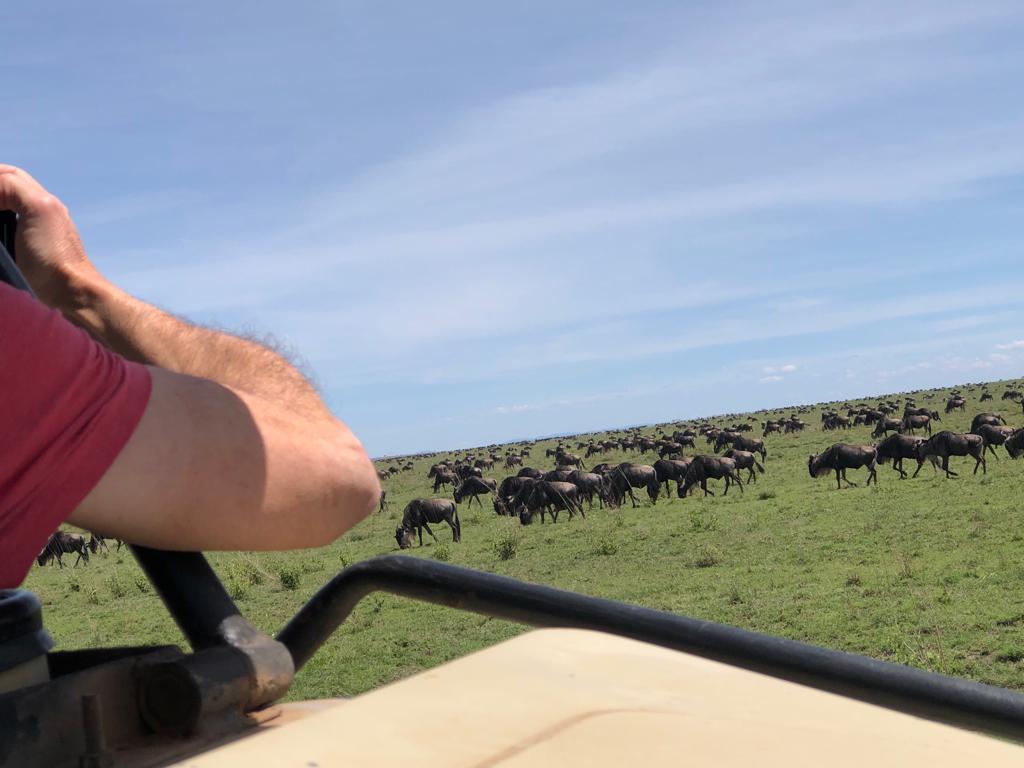
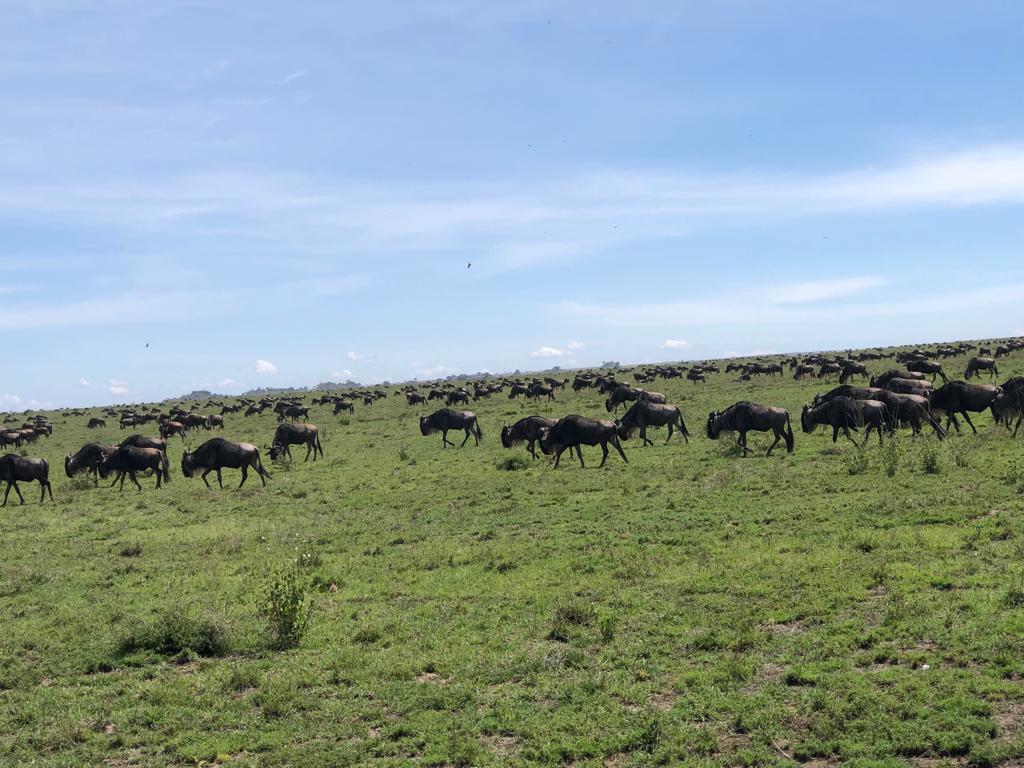
Tanzania's most iconic park — 14,763 km² of endless golden plains, acacia woodlands, and kopje rock formations teeming with wildlife. The Serengeti is the stage for the Great Migration, where over 1.5 million wildebeest and 250,000 zebras make their annual circular journey in search of fresh grazing.
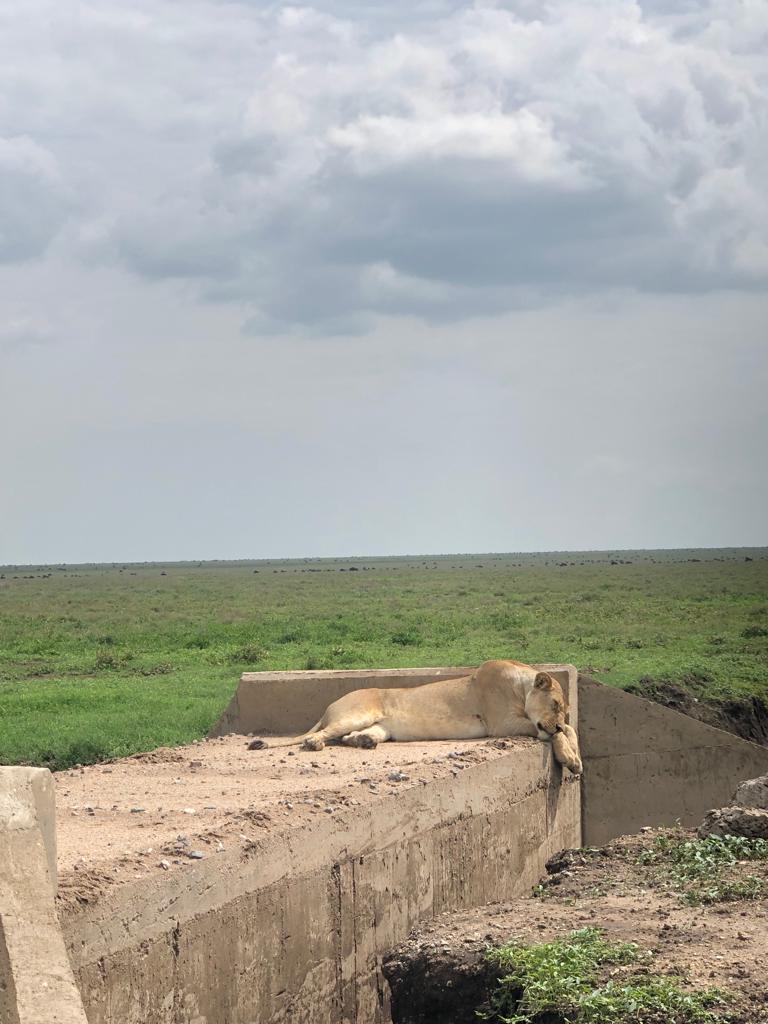
Beyond the Migration, the Serengeti holds Africa's highest density of predators. Lions lounging in the shade of acacias, leopards draped over branches, cheetahs sprinting across the open plains, and hyena clans patrolling at dusk — every game drive is a chapter in an unfolding story.
A collapsed volcanic caldera — 260 km² of enclosed Eden. The Ngorongoro Crater is home to over 25,000 large mammals, including Tanzania's densest population of black rhino. The crater walls create a natural enclosure, so wildlife is almost always visible, making it one of Africa's most reliable wildlife-viewing spots.
The crater floor encompasses open grasslands, a soda lake flamingo-fringed, freshwater springs, and dense forest. Sunrise over the rim, with mist still clinging to the walls, is one of Tanzania's most breathtaking sights.
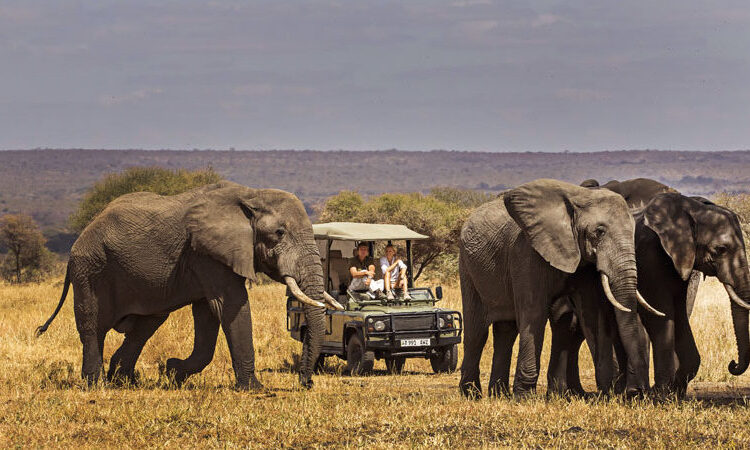
Named after the Tarangire River that cuts through the park, this is Tanzania's hidden gem — less crowded than the Serengeti but equally spectacular. Giant ancient baobab trees dot the landscape like prehistoric sentinels, and the park hosts Africa's largest elephant herds, sometimes hundreds strong.
Tarangire is a birdwatcher's paradise with over 550 recorded species, and a great base for tree-climbing lions and enormous termite mounds carved into unusual formations.
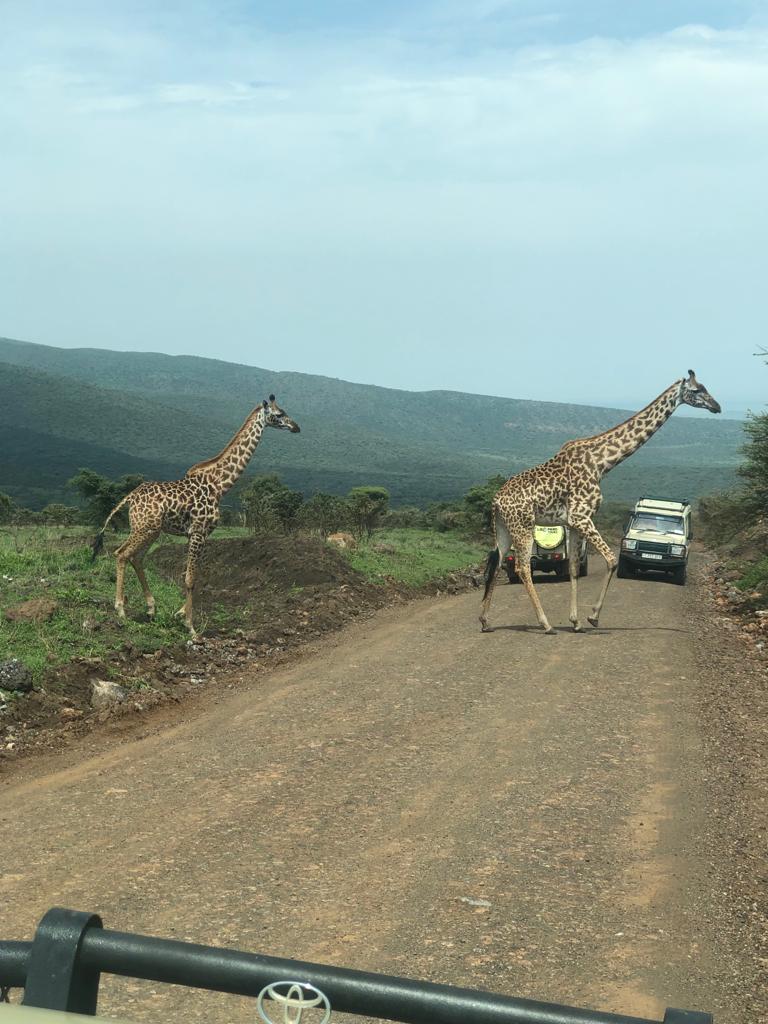
At 5,895 m, Mount Kilimanjaro is the highest peak in Africa and one of the world's most accessible high-altitude climbs. The mountain passes through five distinct climate zones — tropical rainforest, moorland, alpine desert, and the arctic summit — each with its own extraordinary scenery.
We guide three main routes: the popular Marangu (hut-based), the scenic Machame (our most recommended), and the remote Lemosho (highest success rate). Every climber is supported by our certified mountain crew of guides, cooks, and porters.
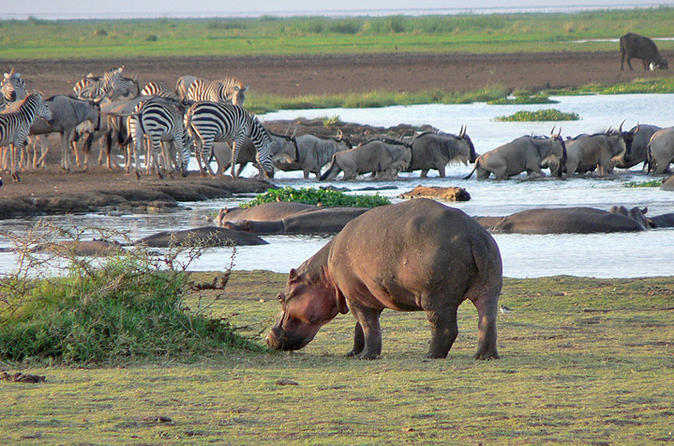
Small but spectacularly diverse — Lake Manyara packs elephants, hippos, flamingos, tree-climbing lions, and dense groundwater forest into a park framed by the Great Rift Valley escarpment. The lake itself turns pink at dawn when the flamingo flocks rise and wheel across the sky.
Often combined with Ngorongoro as part of a Northern Circuit loop, Manyara is a perfect introduction to Tanzania's wildlife and a beautiful drive from Arusha.
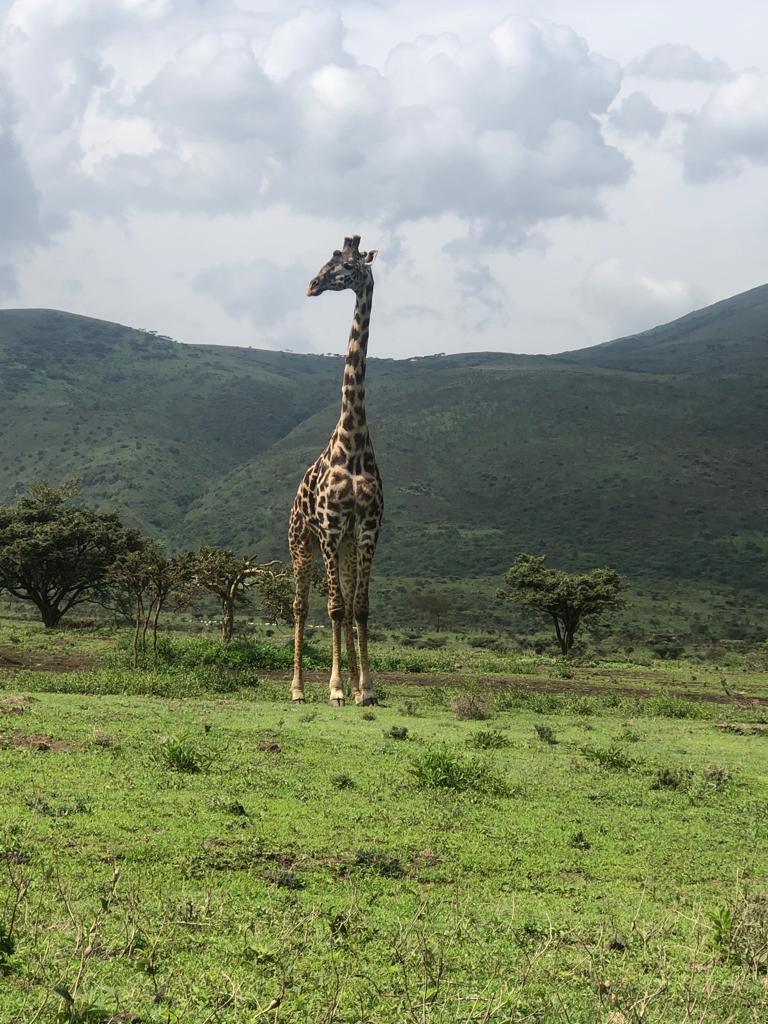
The closest park to Arusha city, and one of Tanzania's most underrated. Mount Meru — Africa's fifth highest peak — dominates the skyline, and the park's forests are home to colobus monkeys, giraffes, zebras, and buffalos. The alkaline Momella Lakes attract a vast variety of waterfowl.
Arusha is a popular half-day trip before or after a longer safari, and a great acclimatisation hike before Kilimanjaro.
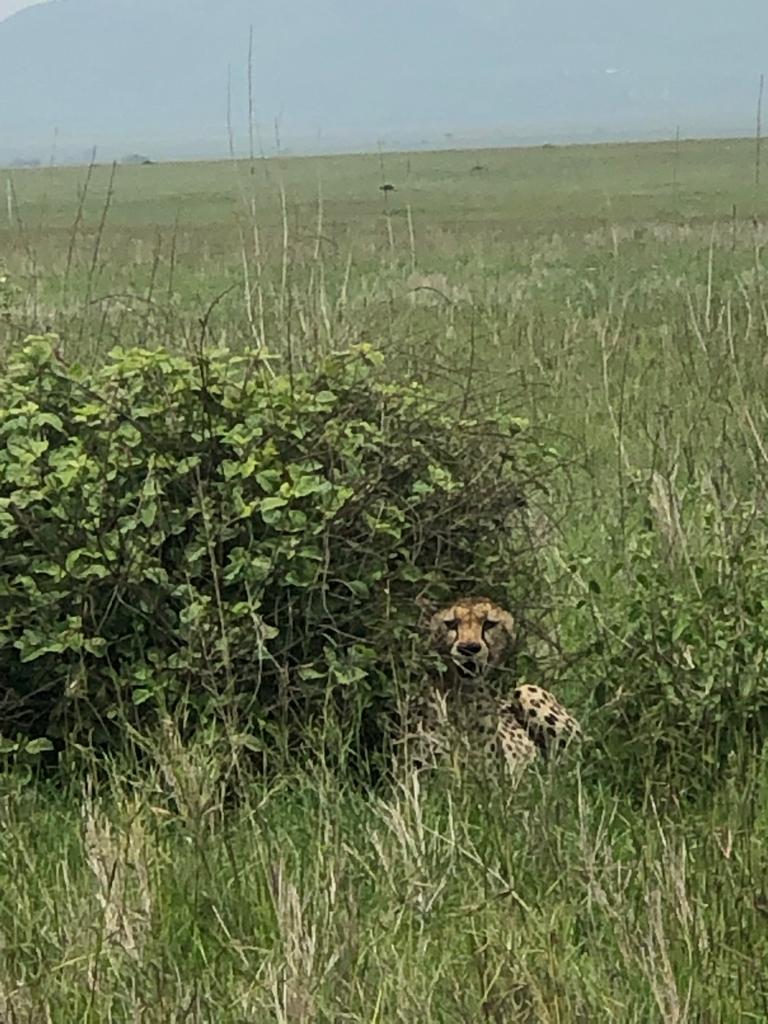
Tanzania's newest national park and one of its best-kept secrets. Mkomazi borders Tsavo in Kenya and is part of the same vast ecosystem — semi-arid savanna, Acacia-Commiphora thornbush, and vast open plains that feel genuinely wild and untouched.
Mkomazi is home to a celebrated black rhino sanctuary and a rare wild dog breeding programme. It's the perfect add-on for visitors who want to escape the crowds and experience a truly remote Tanzania.